
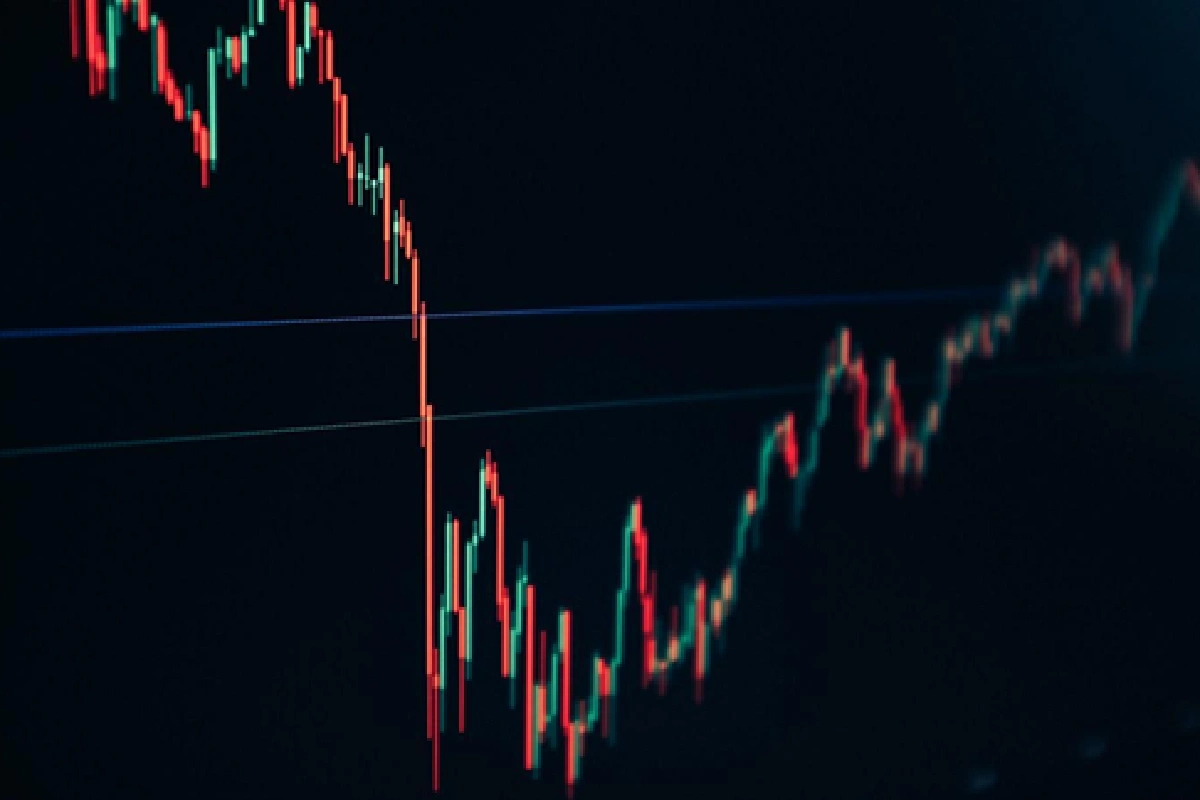
High-impact news can move a currency pair more in one minute than it moved all morning. Jobs data, inflation figures, and central bank decisions can all send prices jumping in either direction.
That speed cuts both ways. News days offer big moves, but they also bring wide spreads, slipped stops, and sharp reversals. Here is how to handle them.
Table of Contents
What counts as high-impact news
An economic calendar lists the data releases and central bank events for each day. Most calendars rate each event by its expected impact, often with a color or several bars.
The events that tend to move forex the most include:
- Central bank rate decisions and press conferences.
- Inflation reports, such as the US Consumer Price Index.
- Jobs reports, such as US nonfarm payrolls.
- Growth data, such as GDP.
Two US releases to know
Nonfarm payrolls. The US Bureau of Labor Statistics publishes its jobs report at 8:30 am Eastern time. It usually lands on the first Friday of the month, but dates can shift, so check the official schedule.
Fed decisions. The Federal Open Market Committee holds eight regular meetings a year. Its policy statement comes out at 2 pm Eastern on the final day, and the chair’s press conference follows at 2:30 pm. Price often reacts twice, once to the statement and again to the press conference.
What happens to price
Markets do not react to the number itself. They react to the gap between the number and what was expected. Each calendar shows a forecast. A result far above or below that forecast is a surprise, and surprises move prices.
Say the forecast for payrolls is 150,000 new jobs and the report shows 250,000. That is a large upside surprise. A result like that tends to lift the dollar, though revisions to past months and wage figures inside the same report can change the reaction.
This is also why a “good” number can send a currency lower. If traders expected even better, the result is a letdown.
Spreads widen
In the seconds around a release, the banks and firms that supply prices often pull back their quotes. With fewer quotes in the market, the gap between bid and ask can grow many times wider than normal.
Stops slip
When price jumps, there may be no trades at your stop level. Your order fills at the next price available. A trade planned to lose $100 can lose far more.
Price whipsaws
The first move is not always the real one. Price can spike up, reverse, and run the other way within minutes. Traders who chase the first spike often get caught in the turn.
Three ways to handle news
1. Stay flat
The simplest choice is to close or avoid trades before major releases. Many traders who do not build their strategy around news do exactly this. You give up the move, but you also skip the spread spike and the slipped stops.
Remember that old trades count too. A position you opened yesterday is still exposed when the number drops.
2. Wait for the dust to settle
Let the first few minutes pass. Spreads come back in, and price often picks a clearer direction. You can then trade your normal setups with normal costs.
You will miss the first burst. In return, you trade a market that behaves more like the one your plan was built for.
3. Trade it with smaller size
If your strategy is built for news, cut your size. Assume the stop may slip and size the trade so that even a bad fill stays within your limits.
This matters on any account with a hard loss cap. If you trade capital received through Instant Funding, a single slipped stop on a news spike can use up much of the day’s loss room before you can react.
Check the rules on your account
Some accounts have their own news rules. Certain funded programs limit trading in the minutes around major releases. Before you trade a release on an account from an Instant Funding Prop Firm or any other funded program, read the terms and note any restricted windows.
A news day checklist
- Check the calendar each morning and mark the high-impact events.
- Note the forecast for each release.
- Decide in advance whether you will stay flat, wait, or trade.
- Close or protect open trades before the release if your plan says so.
- Cut size on any trade you take near the news.
- Wait for spreads to return to normal before new entries.
News is part of the market, not a break from it. Plan for it each morning, and the biggest days stop being the most dangerous ones.
Also read: top 5 platforms for crypto staking