
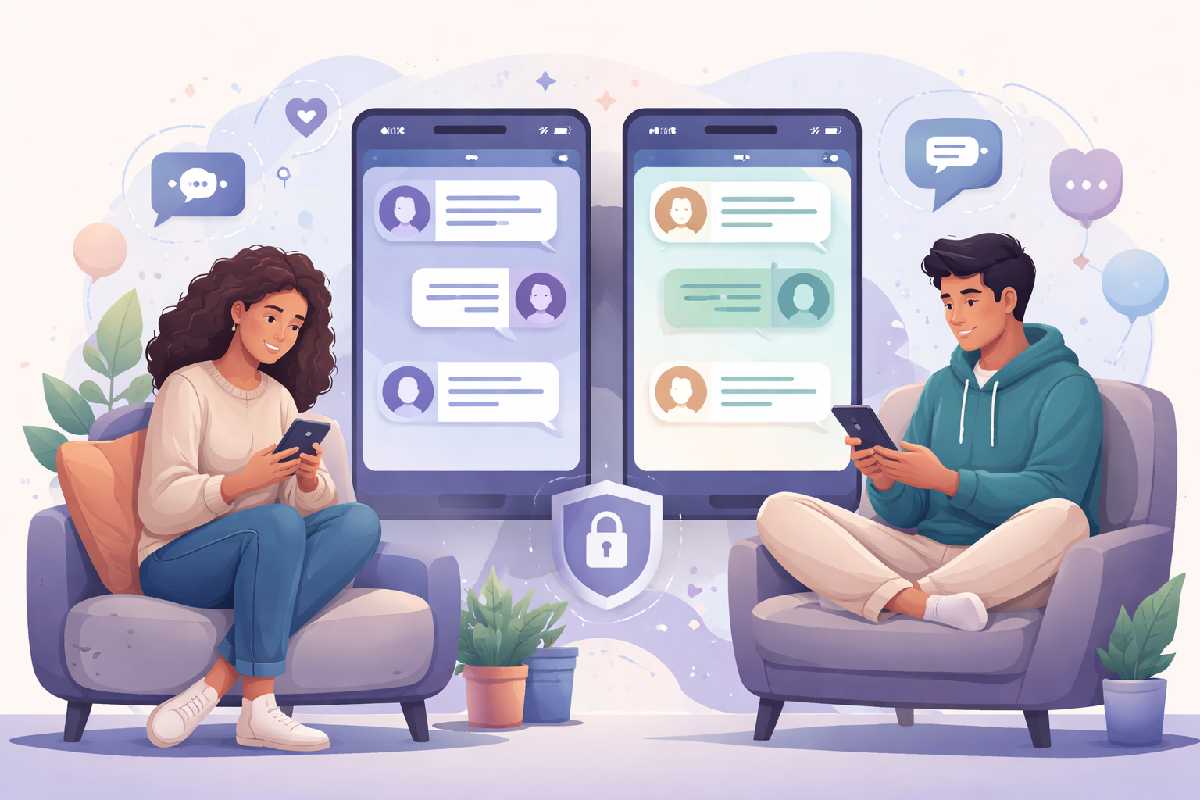
Mental health is increasingly becoming a global concern, with statistics showing that one in five adults experience mental illness annually. However, accessing support can be difficult due to stigma and lack of resources. Anonymous chat platforms are emerging as vital tools in bridging this gap by offering confidential and judgment-free support.
By utilizing these platforms, individuals can seek help without the fear of being identified or judged. In this article, we’ll dive into how anonymous chat services benefit mental health support and encourage more open and honest discussions around this pivotal topic.
Table of Contents
Anonymous Chat for Mental Health
Anonymous chat has been a breakthrough in mental health support, providing a discreet avenue for individuals to express their feelings. The privacy fosters a sense of security that often is the first step to seeking help. Users can discuss their issues freely, knowing their identity is shielded, which can be a major relief for many.
The benefits include increased willingness to disclose sensitive information and the start of a much-needed conversation about well-being. A study by the Journal of Medical Internet Research found that anonymity can significantly reduce the self-stigma associated with seeking mental health services. This evidence underlines the potential these platforms have in enhancing engagement with mental health resources.
Experts recommend that seekers of mental health support look for anonymous platforms that also offer professional guidance. Ensure that the platform enforces strict confidentiality policies to maintain trust and safety for all its users.
Anonymity Encourages Openness
One of the most compelling reasons individuals avoid seeking help is the fear of being stigmatized. Anonymous chat services dismantle this barrier, creating an environment where stigma is less likely to impede the pursuit of health. They allow users to dodge judgmental reactions from peers, which is particularly beneficial for those living in communities where mental health disorders are severely stigmatized.
This anonymity not only helps in seeking initial help but also sustains ongoing support. People feel empowered to continue conversations about their mental state without concern for social repercussions. National Alliance on Mental Illness (NAMI) has highlighted the critical role of anonymity in reducing stigma and encouraging a more open dialogue about mental health challenges.
To maximize the anti-stigma nature of anonymous chatting, users should aim for a balanced approach. While embracing the anonymity, they should also guided to resources that can lead to in-person support, thereby magnifying the value of their virtual interactions.
Safe Space for Vulnerable Talk
When people struggle with mental health issues, the sense of vulnerability can be overwhelming. Anonymous chat services offer a sanctuary for these vulnerable moments, giving users a platform where they’re less likely to feel exposed or judged. The safe space lends itself to a more open sharing of personal struggles and facilitates a deeper understanding of one’s mental health.
A survey by the Pew Research Center reports that 60% of internet users have engaged in discussions regarding health issues online, often valuing the ability to engage anonymously. Having these safe, anonymous spaces is essential for individuals to confront and manage deeply personal and sensitive issues without fearing external judgment or reprisal.
Service providers should take actionable steps to ensure the safety and security of their platforms. Providers must vigilantly moderate the chat environment to prevent abuse and to make sure that every user’s experience contributes positively to their journey toward mental wellness.
Accessibility With Anonymous Chat
Accessibility and inclusivity are critical components of effective mental health support. Anonymous chat platforms significantly lower the barriers to access by eliminating the need for insurance, reducing costs, and providing immediate help. This inclusivity ensures that individuals from diverse backgrounds, regardless of their socioeconomic status, can access help when they need it.
Moreover, anonymous chat services democratize mental health support by making advice available to people in remote or underserved areas. With the internet reaching wider audiences every day, the proliferation of global mental health support through these chats has the potential to create a more responsive and universal system of care.
To leverage these benefits, it’s essential that platforms continue to improve their technological infrastructure and provide resources in multiple languages, ensuring that anonymity as a tool for mental health support transcends all boundaries and becomes a universally accepted medium.
Overall, anonymous chat platforms have demonstrated a powerful influence on mental health support systems. They have pioneered a way for individuals to overcome stigma, engage in honest discussions, and access necessary help without barriers. By continuing to prioritize the integrity and safety of these platforms, we can further enhance their role in supporting the mental wellbeing of people around the world.