
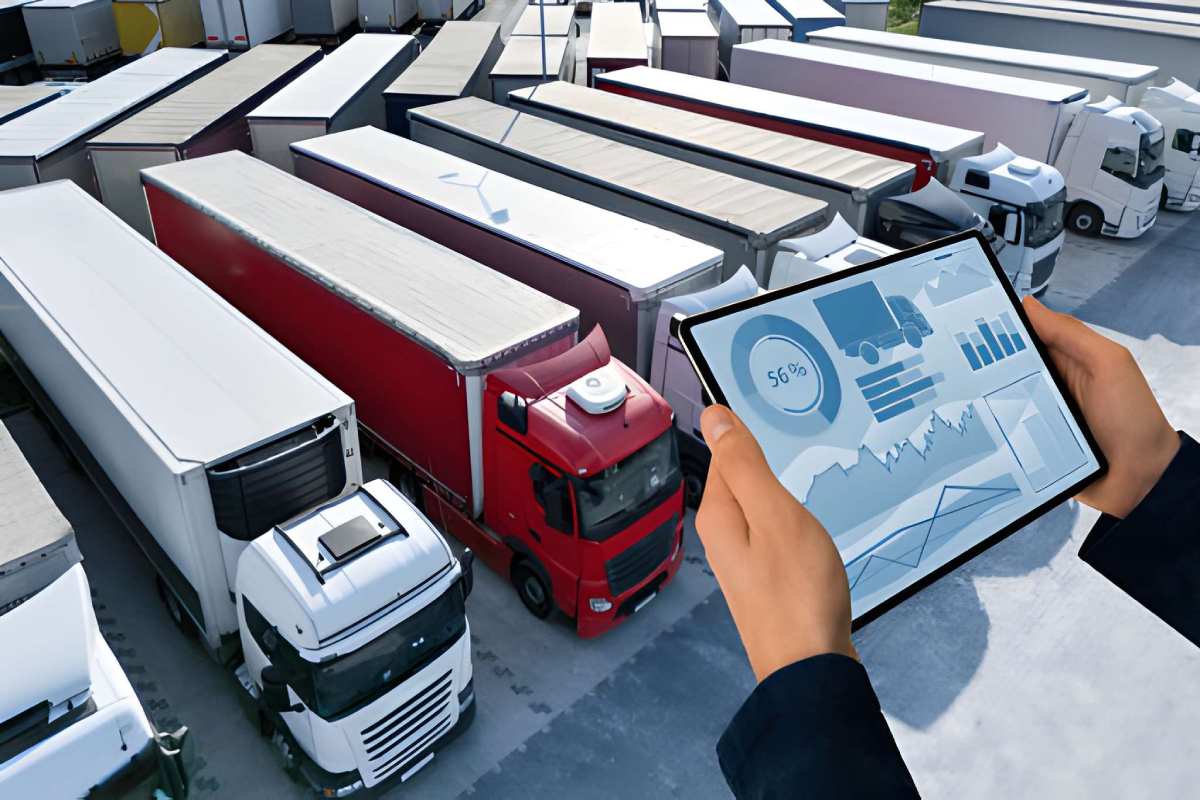

In an era where speed, efficiency, and visibility are more important than ever, smart technology is transforming the way logistics and trailer management operate. From real-time tracking and predictive analytics to automated maintenance alerts and enhanced safety systems, businesses are leveraging cutting-edge innovations to streamline operations, reduce costs, and improve customer satisfaction.
This blog will explore how smart technology is reshaping logistics and trailer management across the supply chain.
Table of Contents
Real-Time Visibility
One of the most impactful advancements in logistics is real-time visibility. Smart sensors, GPS devices, and Internet of Things (IoT) systems provide instant data on the location and status of trailers and freight. This visibility allows fleet managers to make informed decisions quickly, reroute assets when necessary, and keep customers updated with precise ETAs. Whether it’s tracking temperature-sensitive goods or ensuring on-time delivery, real-time data visibility ensures that logistics operations stay agile and responsive in a rapidly changing environment.
An example of this innovation in action is the integration of a trailer GPS tracking unit, which empowers businesses to monitor their trailers with pinpoint accuracy. These units deliver continuous location updates, helping reduce theft, unauthorised use, and idle time while improving overall fleet efficiency.
Predictive Analytics
Smart technology does more than just collect data; it leverages that information to predict future outcomes. Predictive analytics uses historical and real-time data to forecast potential issues before they occur. For logistics companies, this means anticipating delays, forecasting maintenance needs, and optimising routes based on traffic patterns, weather conditions, and delivery windows.
With predictive analytics, companies can prevent breakdowns by servicing trailers before a failure happens. This shift from reactive to proactive maintenance helps reduce costly downtime and extends the lifespan of equipment. Additionally, route predictions help drivers avoid congestion and hazards, leading to faster delivery times and lower fuel consumption.
Automated Maintenance and Diagnostics
Gone are the days when maintenance checks were purely manual and schedule-based. Today’s trailers come equipped with sensors that monitor tyre pressure, brake wear, battery health, and more. These systems send alerts when measurements fall outside optimal ranges, enabling fleet managers to schedule maintenance at the right time.
Automated diagnostics not only improve safety by preventing mechanical failures but also reduce operational costs by eliminating unnecessary inspections. By knowing exactly when a component needs attention, logistics teams can plan repairs strategically, minimising disruption to transit schedules.
Enhancing Safety and Compliance
Safety remains a top priority in logistics. Smart technology contributes significantly by monitoring driver behavior, cargo conditions, and the integrity of safety equipment. For example, onboard cameras and telematics systems can flag risky driving patterns such as harsh braking, speeding, or sharp turns. With this data, companies can implement training programs, enforce safer practices, and even incentivize good performance.
Moreover, compliance with transportation regulations becomes more straightforward with digital recordkeeping. Automated systems can log hours of service, maintenance records, and inspection results, ensuring that fleets meet stringent industry standards without the burden of manual record-keeping.
The Future Of Logistics Is Smart
Smart technology is not just an upgrade; it’s a complete evolution in the way logistics and trailer management function. With improved visibility, predictive tools, automated maintenance, and enhanced safety features, logistics companies can operate more efficiently, reduce costs, and deliver better service in an increasingly competitive market.
As these technologies continue to mature, businesses that adopt and integrate them will be better positioned to meet customer expectations, navigate challenges, and drive growth well into the future.