


Key Takeaways
- Applicant Tracking Systems (ATS) have evolved from simple resume repositories into dynamic platforms central to the hiring process.
- Modern ATS platforms leverage artificial intelligence, data analytics, and mobile optimization to enhance recruiter efficiency and candidate engagement.
- Challenges remain, including the risk that automated systems may overlook qualified candidates due to rigid algorithms.
- The future of ATS will be marked by deeper integration of AI and a stronger focus on personalization and seamless technology experiences.
Applicant Tracking Systems have dramatically streamlined how organizations manage the recruitment process, from job postings to onboarding. Traditionally viewed as digital tools for collecting and categorizing resumes, ATS platforms now underpin data-driven decision-making, enhance candidate engagement, and support increasingly complex recruitment needs. For those unfamiliar with the technology, understanding what is ats system is fundamental to appreciating its growing influence across industries.
Modern ATS platforms offer much more than basic resume sorting. They automate routine recruitment tasks, enabling HR teams to move faster while maintaining accuracy. Additionally, automation encourages collaboration among hiring managers by centralizing candidate evaluation data in real time, promoting transparency and unbiased hiring processes. The result is not just efficiency but a measurable improvement in hiring quality and speed.
As more businesses compete for top talent, the expectation for a seamless candidate journey continues to rise. ATS adoption is no longer limited to large enterprises; small and mid-sized organizations now leverage these platforms to level the playing field and provide applicants with responsive, personalized experiences. This shift is contributing to a more democratized and technology-driven employment landscape.
Investing in a sophisticated ATS is now seen as a strategic move to optimize talent acquisition. By automating repetitive work, recruiters can focus more on building relationships and strategizing, rather than getting lost in paperwork and manual filtering.
Table of Contents
Evolution of ATS
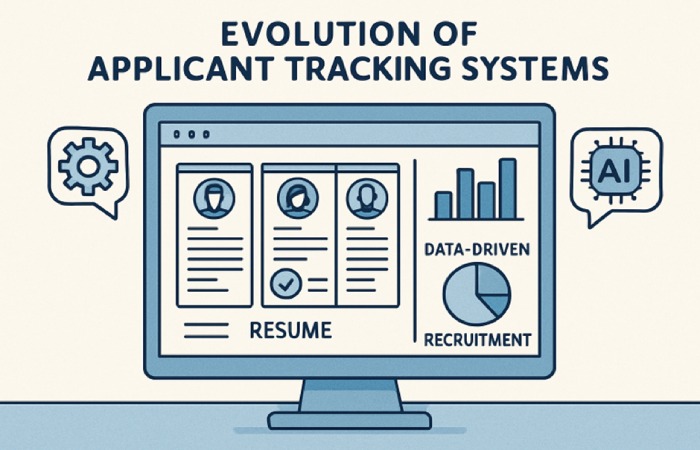
The first wave of applicant tracking systems was primarily built to serve as storage repositories. Recruiters used these platforms to file, retrieve, and search through digital resumes, a significant upgrade from paper-based processes. Over the past decade, ATS platforms have undergone a technological transformation. Today, they manage the complete recruitment lifecycle, including job postings, interview scheduling, candidate communications, and analytics. This evolution has enabled recruiters to scale their efforts without compromising the quality or consistency of the hiring experience.
AI Integration in ATS
Artificial Intelligence has redefined the core functionality of ATS platforms. AI-driven systems can analyze vast pools of resumes, identify patterns, and predict candidate success rates with surprising accuracy. These algorithms consider both hard skills and nuanced qualities, such as adaptability and leadership potential, helping address inherent biases and inefficiencies in human-led screening. Incorporating AI not only accelerates shortlisting but also uncovers candidates who might otherwise be overlooked, a critical advantage in competitive markets.
Enhancing Candidate Experience
Today’s top talent expects regular communication, transparency, and convenience at every stage of the recruitment process. Leading ATS platforms address these expectations through automated updates, personalized emails, and easy interview scheduling. Features like candidate portals and chatbots make information readily accessible, while eliminating “application black holes,” where candidates feel lost or ignored. By creating positive interactions through every touchpoint, organizations can boost their reputation and increase offer acceptance rates.
Mobile Optimization
The rise of mobile job searching has compelled ATS vendors to prioritize responsive design. Applicants can now browse jobs, submit applications, and engage with recruiters directly from their mobile devices, streamlining the candidate experience for those without desktop access. The same mobile-first approach applies to recruiters and hiring managers who require flexible access to the talent pipeline. In a digital-first era, seamless mobile experiences are no longer a competitive advantage; they’re expected.
Video Interviewing
Video interviews have moved well beyond pandemic necessity and are now embedded as standard ATS tools. Integrating video interviews allows recruiters and employers to quickly gauge candidates’ communication skills, professionalism, and cultural fit. It also enables organizations to scale interviews globally, reducing travel costs and expediting the recruitment timeline. Asynchronous video interviews, in which candidates record their responses, have become increasingly popular, providing additional flexibility for both parties.
Data-Driven Decision Making
One of the most powerful features of modern ATS platforms is the analytics dashboard. These dashboards surface key insights, including time-to-hire, candidate-source effectiveness, diversity metrics, and overall pipeline health. By leveraging these data points, organizations can quickly identify bottlenecks, optimize job postings, and allocate resources where they have the most significant impact. Ultimately, these data-driven strategies are leading to better hiring outcomes and more agile talent management processes.
Challenges and Considerations
Despite the apparent benefits, ATS platforms introduce specific challenges. For instance, over-reliance on keyword algorithms may weed out highly qualified applicants whose resumes don’t include specific terms but do include relevant skills and experience. The automated, impersonal nature of large-scale hiring can also deter high-caliber candidates who expect personalized engagement. It is crucial for organizations to continuously monitor and refine how their ATS implements filters, ensuring a balance between efficiency and fairness.
Future Trends in ATS
The next generation of ATS platforms will focus on hyper-personalization, tighter integrations with other HR technologies, and a more substantial commitment to eliminating unconscious bias in hiring. Expect further advances in machine learning, natural language processing, and predictive analytics to provide deeper, actionable insights. Enhanced automation and AI-powered recommendations will enable recruiters to offer tailored experiences that stand out in a crowded job market. As remote work and global recruiting increase, seamless cross-border functionality will also become a core feature of future ATS advancements.
Applicant Tracking Systems are more than just recruitment tools; they serve as strategic enablers of organizational growth and efficiency. As technology evolves, staying informed about the latest ATS developments will help businesses and candidates navigate the rapidly changing hiring landscape with confidence and agility.