
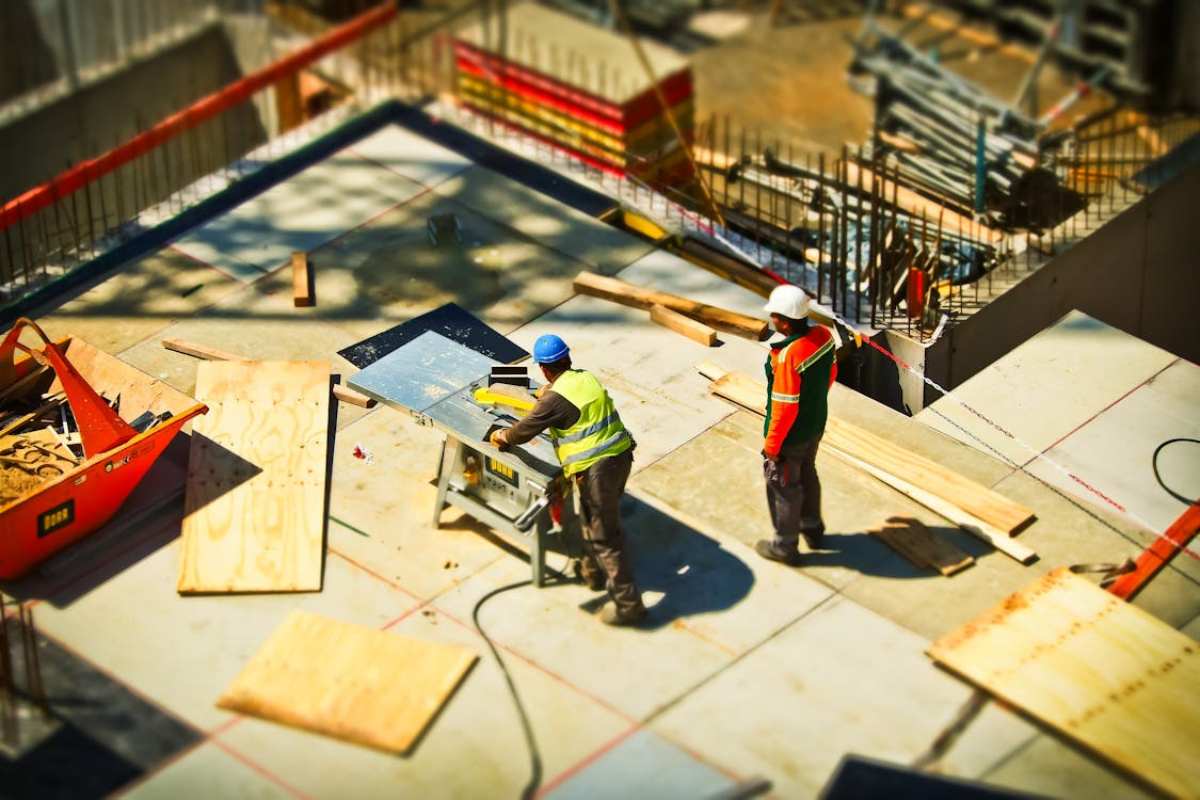

Launching a construction company requires more than technical skill. It demands leadership, planning, and a clear commitment to worker protection from day one. Whether you’re transitioning from subcontractor to independent contractor or building a team from scratch, investing in essential equipment including a reliable construction hard hat for every crew member establishes a strong safety foundation.
Table of Contents
Step 1: Legal and Licensing Preparation
Before securing your first contract, ensure all legal requirements are satisfied:
- Proper contractor licensing
- Liability insurance
- Workers’ compensation coverage
- Clear client contracts
Compliance with building codes and safety regulations protects both your team and your business.
Skipping these steps may save time initially, but it often leads to costly consequences later.
Step 2: Creating a Safety Program From the Start
Many new business owners focus heavily on acquiring clients and underestimating the importance of structured safety protocols.
A formal safety plan should include:
- Daily hazard assessments
- Equipment inspection procedures
- Clear reporting channels
- Mandatory protective equipment policies
Establishing these systems early prevents accidents and reinforces accountability.
Step 3: Investing in Proper Equipment
Beyond basic tools, protective equipment is one of the most important investments for a new construction company.
Standard protective equipment includes:
- Hard hats
- Steel-toe boots
- Safety glasses
- Gloves
- Fall protection harnesses
Purchasing durable, certified equipment reduces replacement frequency and ensures compliance.
Skimping on protective gear may appear cost-effective initially, but it can expose workers to preventable injury.
Step 4: Hiring and Training the Right Team
As your company grows, hiring skilled workers becomes essential. Look for individuals who value safety and professionalism as much as craftsmanship.
Onboarding should include safety training and clear expectations regarding protective equipment usage.
Leadership must model safe behavior consistently what owners tolerate, teams replicate.
Step 5: Reputation and Client Trust
Clients evaluate construction companies on reliability, quality, and professionalism. Visible safety practices organized job sites, properly equipped crews, and compliance signage build immediate trust.
Commercial clients in particular may require documentation of safety protocols before awarding contracts.
Strong safety standards often translate directly into competitive advantage.
Step 6: Financial Stability Through Risk Reduction
Workplace accidents are expensive. Medical claims, legal disputes, and insurance increases can quickly erode profits.
Proactive safety measures reduce these risks significantly. A consistent safety record strengthens long-term financial sustainability.
Investing in prevention protects both your workforce and your bottom line.
Why Safety Defines Leadership?
Owning a construction company is about more than completing projects it’s about protecting the people who make those projects possible.
Establishing strong safety habits early creates a culture of accountability and professionalism.
When protection becomes embedded in daily operations, your business stands out not only for quality workmanship but also for responsibility.
In construction, strong foundations matter and safety is the strongest foundation of all.