
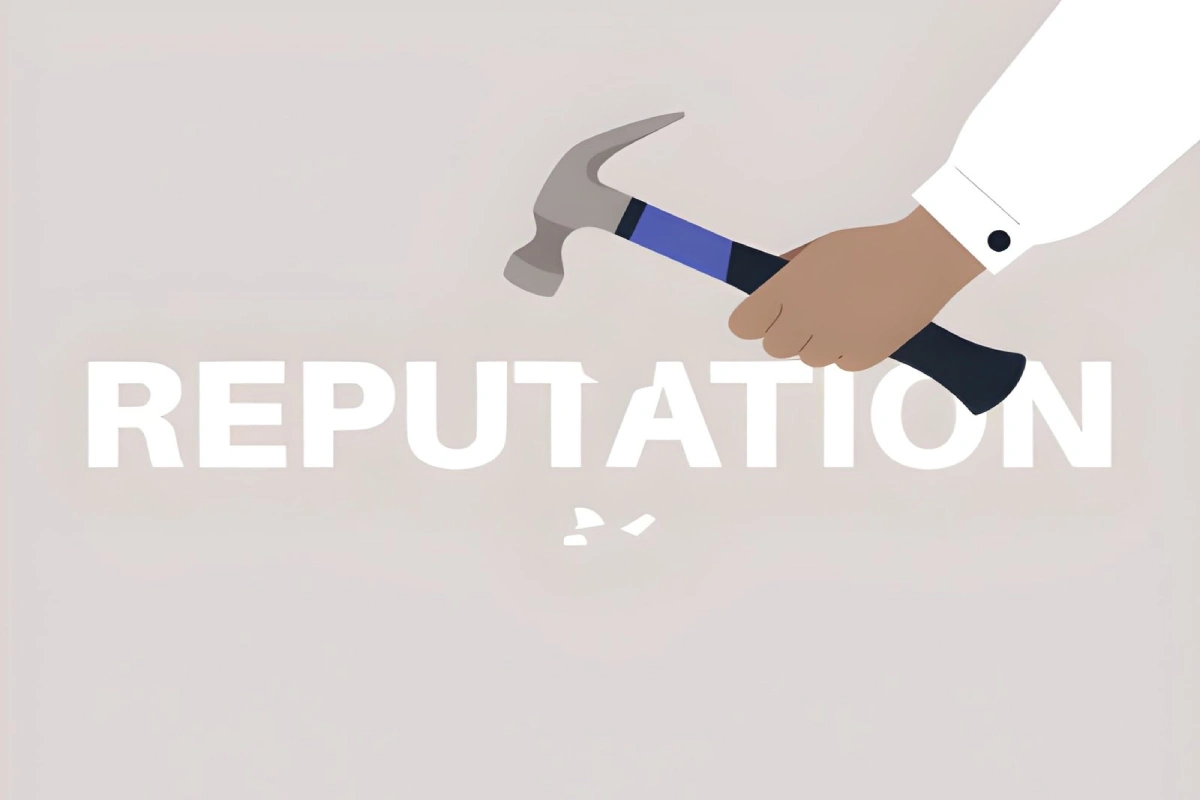
When a brand stumbles publicly, the instinct is often to go quiet, issue a statement, and wait for the news cycle to move on. But silence rarely rebuilds trust. What actually changes minds is a moment — a single, well-executed interaction that gives people a reason to reconsider what they believe about you. The question is whether one moment is ever enough.
The short answer: one exceptional experience can start repairing a damaged reputation, but it can’t finish the job alone. Here’s how it works, when it works, and where brands get it wrong.
Table of Contents
Why a Single Experience Carries So Much Weight
Reputation isn’t built on averages. It’s built on peaks. Behavioral researchers call this the peak-end rule: people judge an entire relationship with a brand based on its most intense moment and its most recent one. That’s why a company can deliver years of adequate service and still be defined by one viral failure — and it’s also why one remarkable recovery can disproportionately reshape perception.
A damaged reputation creates something unexpected: a low baseline. When expectations are on the floor, even a modest gesture of genuine care registers as extraordinary. Psychologists refer to this as the service recovery paradox — customers who experience a failure followed by an outstanding recovery often report higher loyalty than customers who never experienced a problem at all.
That paradox is the entire premise behind a one-time brand experience strategy: concentrating resources into a single, high-impact interaction designed to interrupt a negative narrative and replace it with a new story worth telling.
What Makes a Reputation-Repairing Experience Actually Work
Not every grand gesture lands. The experiences that shift perception share four traits:
- They address the actual failure. If your brand became known for poor customer service, a flashy event won’t fix it — a stunningly responsive service interaction will. The experience must speak directly to the broken promise. Anything else reads as a distraction.
- They feel personal, not performative. People can smell a PR stunt. A handwritten note from a founder, a surprise upgrade with no strings attached, or a make-it-right resolution that exceeds what was asked — these work because they cost the brand something real: time, attention, and humility.
- They happen where witnesses exist. Reputation is social. An experience that only one customer sees repairs one relationship. An experience that gets shared — in a review, a social post, or word of mouth — repairs perception at scale. The best recovery moments are designed to be tellable.
- They come without conditions. The moment you ask for a positive review in exchange for making things right, the gesture collapses. Trust returns when generosity is unconditional.
The Limits: What One Experience Can’t Do
Here’s where honesty matters. A single experience can change the conversation, but it cannot survive contradiction. If a customer receives a remarkable recovery moment on Tuesday and encounters the same old failure on Thursday, the damage compounds — because now the brand looks manipulative, not just flawed.
Think of the standout experience as the headline and consistent operations as the article beneath it. The headline earns attention; the substance earns belief. Brands that treat the memorable moment as a substitute for operational change end up worse off than if they’d done nothing.
There’s also a severity threshold. Minor reputation damage — a shipping delay, a pricing misstep, a tone-deaf ad — responds well to a concentrated experiential fix. Structural damage involving safety, ethics, or dishonesty requires sustained, verifiable change over months or years. No dinner, gift, or event repairs a betrayal of values in one sitting.
A Practical Framework for Getting It Right
If your brand is working to recover trust, sequence matters:
- Acknowledge before you impress. Own the failure plainly. Experiences delivered before accountability feel like bribes.
- Identify your most vocal skeptics. The customers most publicly disappointed are also the most powerful potential advocates. Design the experience for them first.
- Over-deliver on the exact dimension you failed. Match the remedy to the wound.
- Make the moment shareable, not staged. Give people a story, then let them choose to tell it.
- Back it with visible, ongoing change. Publish what you fixed. Report progress. Let the experience be the doorway, not the destination.
So — can one brand experience repair a damaged reputation? It can crack the door open. A single moment of genuine, generous, well-aimed care can interrupt a negative story, re-earn attention, and trigger the service recovery paradox that turns critics into advocates. But repair becomes lasting only when that moment is the first proof point in a pattern, not an isolated performance.
One experience buys you a second look. What people see when they look again — that’s what rebuilds the reputation.