
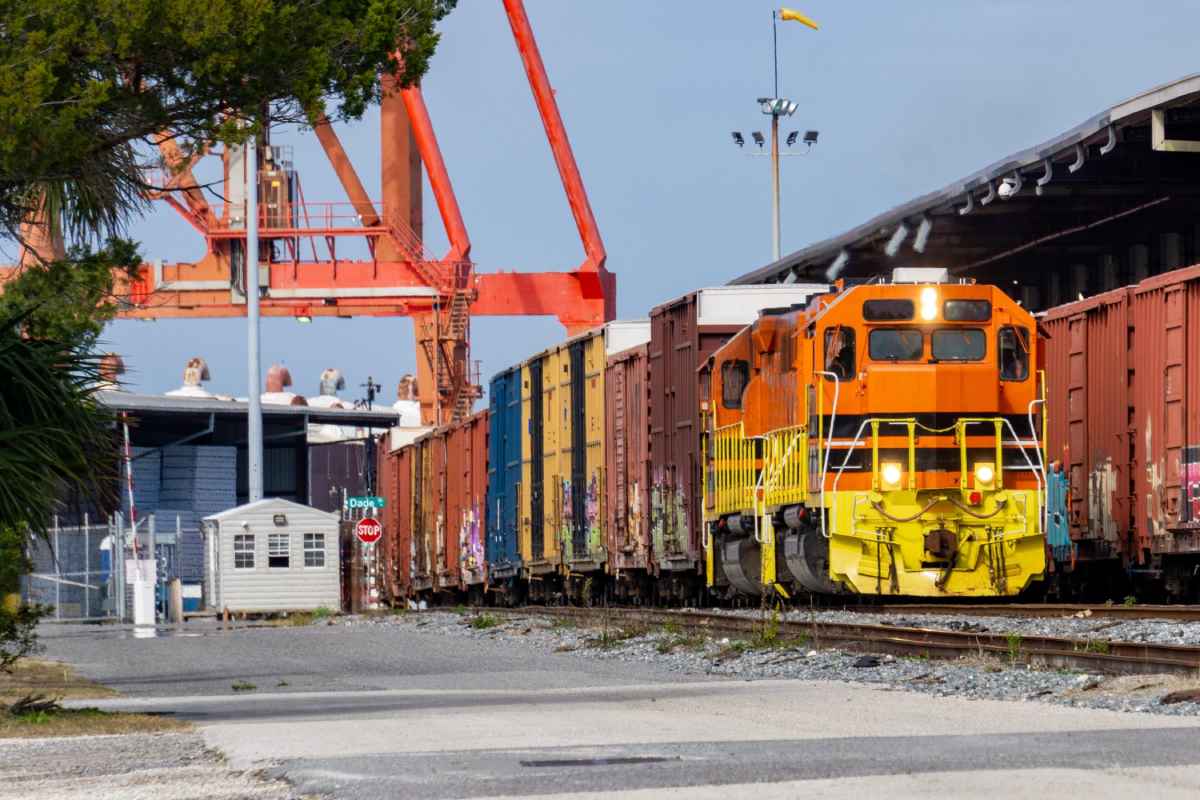
Rail transloading is the practical fix for a common cost problem: if you’re shipping freight more than ~500 miles by truck only, you’re usually paying for fuel, driver capacity, and rate swings that rail can reduce on the long haul. Rail gets freight to the right region efficiently; trucks handle the final-mile realities like appointments, tight delivery windows, and door access.
The hurdle is that many brands assume rail is “only for rail-served plants.” Rail transloading removes that constraint by letting you use rail for the long segment, then transfer freight to trucks near your end market without building your own spur.
Table of Contents
How Rail Transloading Works: The Hand-off That Protects Your Data?
Rail transloading is the transfer of product between rail equipment and trucks (or other modes). Unlike intermodal, which typically keeps freight inside standardized containers, transloading often moves the actual product (bulk, pallets, bundles) into different equipment types based on what the commodity needs.
A clean rail-to-truck handoff usually follows this sequence:
Railcar arrival and spotting: The railroad places the car at the facility’s siding.
Inbound checks: Condition, seals, and load securement are verified before handling.
Unload to staging or storage: Freight moves from railcar to a defined staging zone or reserve storage.
Outbound build and load: Orders are built and loaded to truck equipment matched to the final-mile requirements.
System events at every touch: Scan events (RF) connect physical moves to the WMS record so inventory stays accurate as the mode changes.
Why Rail Transloading Works for $10M+ Brands
Rail transloading earns its keep when it compresses cost per unit and reduces “touchpoints” across long-haul replenishment.
This table summarizes the core business reasons many supply chain teams evaluate rail transloading instead of four separate over-the-road moves.
| Outcome | Why It Happens | What It Changes For The Brand |
| Lower cost per unit | One railcar can move the equivalent of three or four truckloads (depending on commodity and railcar size) | Fewer long-haul trucks to source, schedule, and pay for |
| Better fuel efficiency on long haul | Freight rail is, on average, three to four times more fuel efficient than trucking | Lower exposure to fuel-driven price swings; easier sustainability reporting |
| Capacity relief in tight markets | Rail can carry high volumes even when truck capacity tightens | Fewer “no truck available” situations during peak weeks |
Specialized Handling: Beyond the Pallet
Rail transloading becomes most valuable when your freight doesn’t match a one-size container plan. The transfer point needs the equipment, layout, and procedures to keep products safe while moving quickly.
Common transload profiles include:
Building materials: Lumber and steel bundles that require side-loading plans and careful securement.
Beverage and liquid bulk: High-volume lanes where consistent replenishment into dense retail markets matters.
Industrial goods: Heavy, awkward, or non-standard units that need higher-capacity forklifts, clamps, or side-loader style handling depending on the load.
What matters operationally is not just the lift capacity, but the flow: staging lanes, cross-traffic control, and documented handling zones that reduce damage and rework.
Avoiding the Detention Trap: Demurrage, Free Time, and Execution Timing
Railroads charge fees when a railcar sits beyond the allowed window (often called “free time”). These demurrage charges exist to keep railcars cycling instead of becoming storage.
For managers new to rail, demurrage is one of the fastest ways a “good rate” becomes an expensive move. The fix is simple in concept and demanding in practice: match your labor, equipment, staging space, and outbound truck plan to the railroad’s spotting schedule so cars get unloaded inside the free-time window.
The Lansdale Difference: Asset Ownership and a Closed-Loop Chain of Custody
Rail transloading runs best when one operator controls the handoff. Lansdale is an asset-based 3PL that supports rail-linked strategies through rail-served operations, rail transloading, cross-dock capability, and just-in-time support, paired with online access to inventory/orders and EDI for visibility.
Lansdale’s rail access includes two Class I railroads with daily last-mile short line service, which helps align rail activity and truck dispatch under one execution plan. That “one plan” approach reduces the usual failure mode: freight arrives, but the transfer team isn’t ready, outbound trucks aren’t staged, and dwell time turns into accessorial cost.
Why the Northeast Megalopolis Makes Rail Transloading Pay Off Faster
The Northeast corridor is dense, appointment-driven, and unforgiving of missed windows. Lansdale’s location in the Northeast Megalopolis places freight near concentrated demand and within reach of major East Coast port flows, which is exactly where a rail-to-truck strategy can reduce long-haul spend while keeping final-mile control.
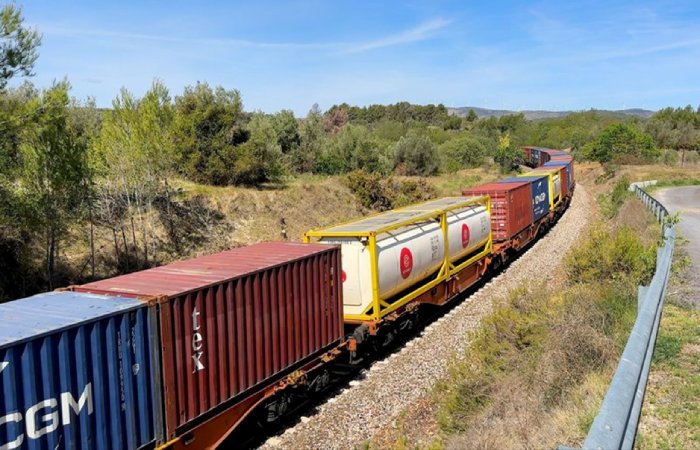
For $10M+ brands, that often translates into a simpler network decision: use rail to land bulk inventory near the market, then use regional trucking to hit customer docks reliably.
Build a Rail Transloading Plan That Fits Your Lanes
Rail transloading is the bridge between rail’s long-haul efficiency and trucking’s final-mile flexibility. When the transfer point is rail-served, asset-based, and run with scan-driven visibility, you can lower per-unit transport cost, reduce fuel exposure, and avoid demurrage surprises while keeping service tight in the Mid-Atlantic and Northeast.